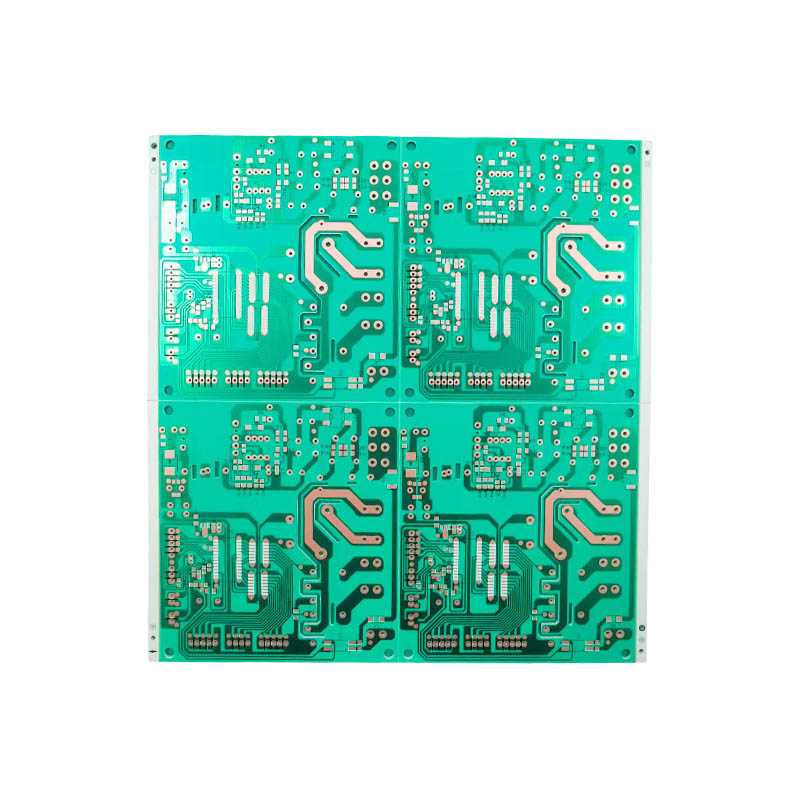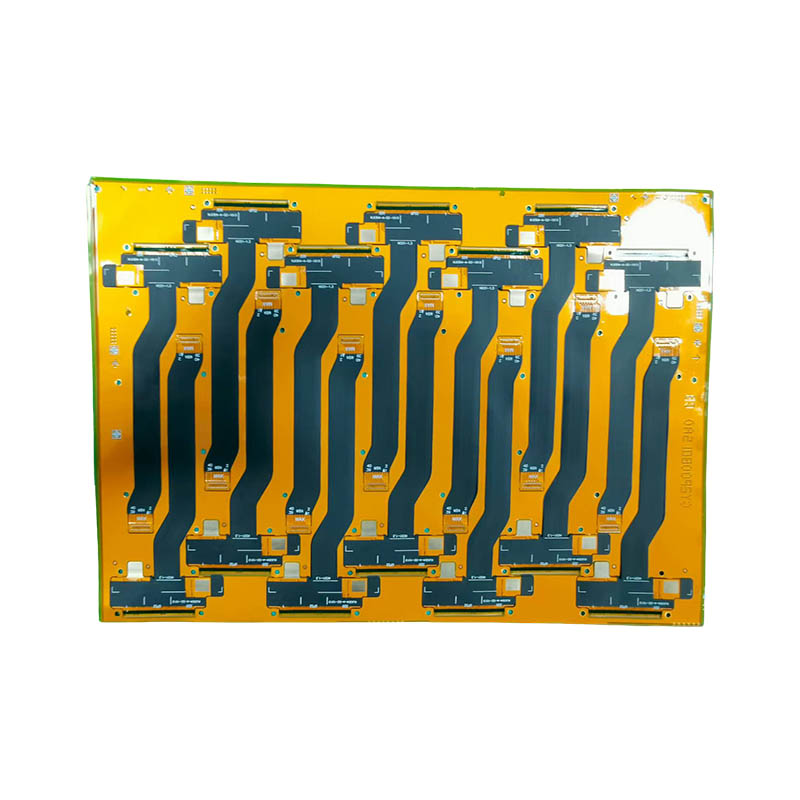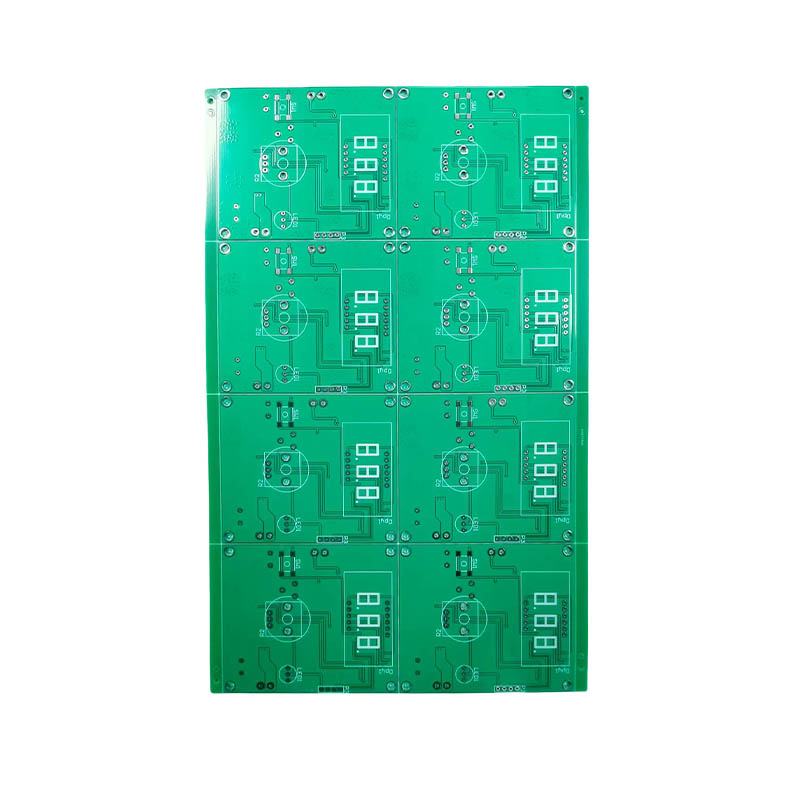

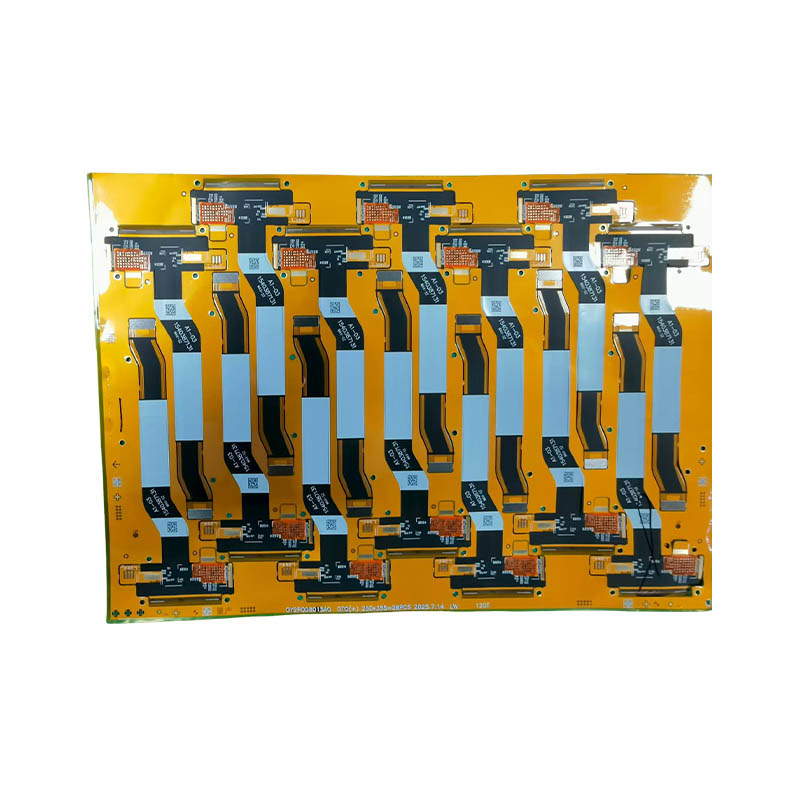
Ensuring the long-term stability of professional customized flexible circuit boards under harsh conditions requires systematic reinforcement from four dimensions: material selection, structural design, surface protection, and process control.
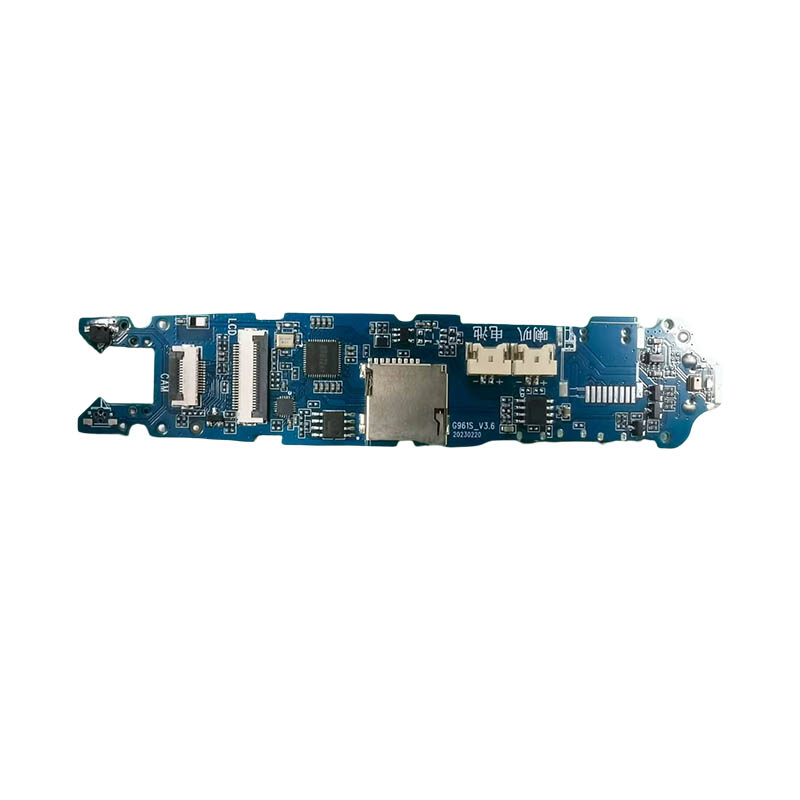
As the "electronic hub" of these devices, custom circuit boards (PCBs), with their highly flexible design freedom and advanced manufacturing processes, have become a core technological support driving miniaturization, lightweighting, and functional integr
In today's rapidly developing high-performance computing and edge intelligent devices, advanced chip architectures such as federated processors are constantly pushing the boundaries of computing power.
With its superior precision placement capabilities, SMT processing not only significantly improves the density and reliability of circuit board assembly but also propels the entire industry into a new stage of high-precision manufacturing.
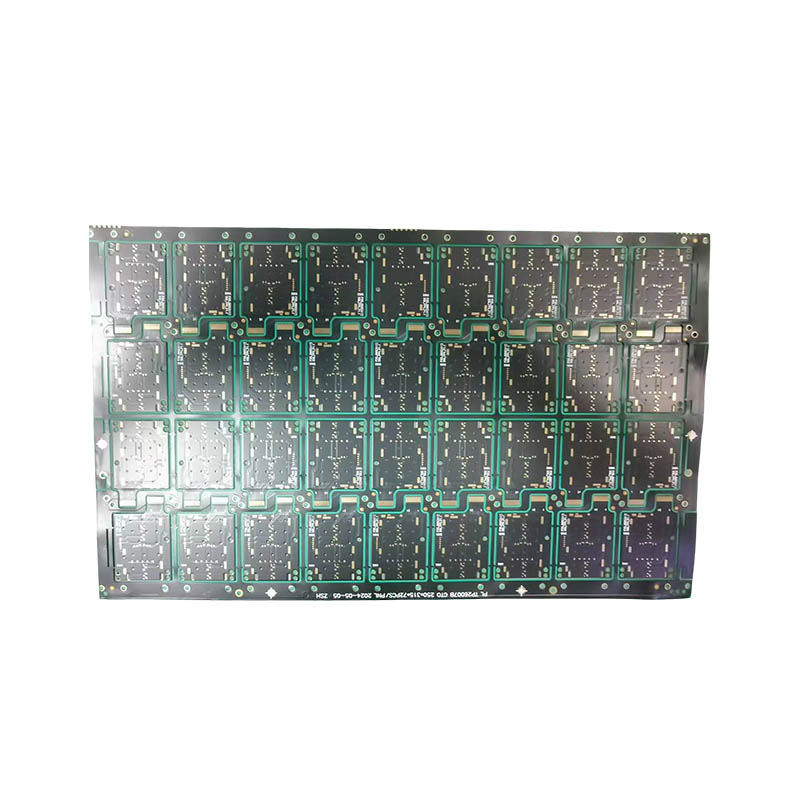
Drilling holes in multi-layer professional customized flexible circuit boards requires solving the problem of interlayer alignment.
In high-frequency circuit applications, aluminum substrates, with their unique material properties and structural design, have become a key solution for suppressing electromagnetic interference.